
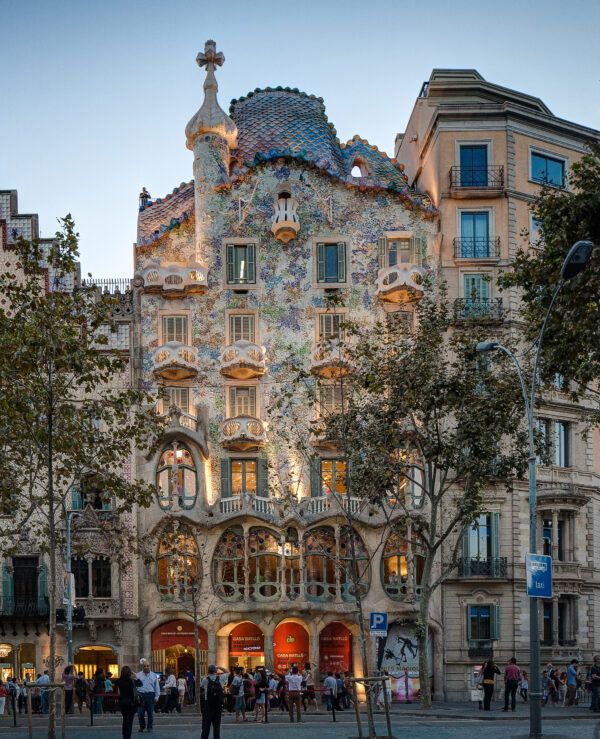

Casa Batlló, a masterpiece of Antoni Gaudí, stands as a symbol of Catalan Modernism and architectural innovation. With its vibrant colors, organic shapes, and intricate details, it captivates visitors from around the world, showcasing the artistic vision of one of history's greatest architects.
Exploring the reasons Why Casa Batlló is Significant reveals not only its aesthetic appeal but also its cultural importance in Barcelona. This iconic building reflects the spirit of creativity and imagination, making it a vital part of the city’s architectural heritage and a UNESCO World Heritage Site.
The Architectural Marvel of Casa Batlló: A Deep Dive
The architectural marvel of Casa Batlló, designed by Antoni Gaudí, is a profound embodiment of organic design and the integration of nature into architecture. The building features undulating forms and vibrant mosaics that reflect the colors of the Mediterranean. This unique approach not only sets Casa Batlló apart from its contemporaries but also illustrates Gaudí's vision of creating a harmonious relationship between structure and environment.
One of the standout elements of Casa Batlló is its use of light and space. The interior is designed to optimize natural light, creating an inviting atmosphere that enhances the viewer's experience. Key features include:
- Large windows that allow for abundant sunlight.
- Skylights that illuminate the central atrium.
- Curved walls that diffuse light throughout the rooms.
Moreover, Casa Batlló is renowned for its symbolism. Each element of the building represents various themes from nature and mythology, making the structure a rich tapestry of cultural narratives. For instance, the façade resembles the scales of a dragon, which is a nod to the legend of Saint George. This melding of architectural design with storytelling elevates the building from mere structure to a cultural artifact.
In terms of sustainability, Casa Batlló was ahead of its time, utilizing materials that reflect Gaudí's respect for nature. The use of recycled glass and ceramics exemplifies an early awareness of environmental responsibility. This forward-thinking approach is a testament to why Casa Batlló remains relevant in contemporary discussions about sustainable architecture.
Understanding the Symbolism in Casa Batlló's Design
Understanding the symbolism in Casa Batlló's design reveals the deep connection between architecture and nature that Antoni Gaudí masterfully executed. The building's façade is adorned with colorful tiles that mimic the scales of a dragon, symbolizing strength and protection. This representation not only honors local legends, such as that of Saint George, but also evokes a sense of wonder and storytelling that permeates the entire structure.
In addition to the dragon motif, Casa Batlló incorporates various natural elements that reflect Gaudí's philosophy of organic architecture. Key symbolic features include:
- Bone-like columns that suggest the skeleton of a creature.
- Wavy balconies that resemble seaweed, enhancing the aquatic theme.
- Colorful mosaics that reflect the hues of the Mediterranean sun.
Furthermore, the interior of Casa Batlló is equally rich in symbolism, with elements designed to evoke a sense of tranquility and connection to nature. The use of light is intentional; it creates an atmosphere that changes throughout the day, reminiscent of natural cycles. This dynamic interplay between light and space invites visitors to experience the building as a living entity rather than a static structure, reinforcing Gaudí's vision of **architecture as art**.
Ultimately, the significance of Casa Batlló lies in its ability to transcend traditional architectural boundaries through its intricate symbolism. Each detail serves as a reminder of the interconnectedness of design, culture, and the environment. Gaudí's innovative approach ensures that Casa Batlló remains a vital symbol of creativity and imagination, inspiring generations of architects and artists alike.
Casa Batlló: A Cultural Icon of Barcelona
Casa Batlló is not just an architectural landmark; it is a cultural icon of Barcelona that embodies the essence of Catalan Modernism. Its whimsical design, characterized by vibrant colors and fluid shapes, reflects a deep connection to nature and local folklore. Visitors are drawn to its enchanting façade and the story it tells, making it a must-see destination for those exploring the artistic heritage of the city.
The building's significance lies in its innovative use of materials and techniques that challenge conventional architecture. Casa Batlló serves as a testament to the creative genius of Antoni Gaudí, showcasing elements that include:
- Use of trencadís (broken tile mosaics) to create stunning visual effects.
- Organic forms that mimic natural landscapes, promoting a sense of harmony.
- Advanced structural solutions that enhance stability while allowing for artistic freedom.
Moreover, Casa Batlló holds a profound place in the collective memory of Barcelona, often symbolizing the city's artistic spirit. Its integration of mythological references, particularly the dragon motif associated with the legend of Saint George, adds layers of meaning that resonate with both locals and tourists. This cultural storytelling elevates the building beyond mere aesthetics, making it a living repository of history and identity.
In addition to its artistic achievements, Casa Batlló is a pioneer in sustainable design practices. Gaudí’s foresight in employing natural materials and energy-efficient solutions aligns the building with contemporary values regarding environmental stewardship. This blend of architecture, artistry, and ecological awareness makes Casa Batlló a relevant and inspiring model for future generations.
Exploring the Historical Significance of Casa Batlló
Exploring the historical significance of Casa Batlló allows us to appreciate its role as a transformative piece of architecture within the context of early 20th-century Barcelona. Built between 1904 and 1906, it represents the zenith of Catalan Modernism, a movement that sought to break away from traditional architectural forms. Casa Batlló not only showcases Antoni Gaudí's innovative techniques but also reflects the socio-cultural shifts occurring in Spain during that period, making it a crucial artifact in understanding the evolution of urban architecture.
Moreover, Casa Batlló's design is deeply intertwined with the identity of Barcelona. The building stands as a testament to the city's embrace of creativity and modernity, symbolizing its aspirations during a time of rapid change. As a UNESCO World Heritage Site, it signifies the global recognition of Catalan architecture's uniqueness, characterized by its intricate details and organic forms that challenge conventional aesthetics. Key factors contributing to its historical importance include:
- Innovative design that incorporates natural forms into architectural elements.
- Integration of local culture through symbolic motifs and storytelling.
- Influence on future generations of architects and artists across the globe.
In addition, the building's façade and interior are rich in cultural references, making it a living museum of Barcelona's heritage. The use of vibrant colors and diverse materials exemplifies Gaudí's ability to connect art with architecture, creating spaces that evoke emotion and thought. This interactive experience enhances visitors' understanding of Barcelona's artistic legacy, encouraging them to explore the narratives woven into the very fabric of the building.
Ultimately, the historical significance of Casa Batlló transcends its physical structure; it embodies the spirit of a city that has continually reinvented itself. By celebrating local traditions and embracing modernity, Casa Batlló serves as a beacon of innovation and creativity, inspiring both locals and visitors alike to appreciate the rich tapestry of Barcelona's architectural and cultural landscape.
How Casa Batlló Redefines Modernist Architecture
Casa Batlló redefines modernist architecture through its innovative use of form and color, breaking free from traditional design constraints. Antoni Gaudí's approach combines organic shapes with vibrant mosaics, creating an immersive experience that reflects the fluidity of nature. This distinctive style not only enhances the aesthetic appeal but also challenges the notion of what architecture can achieve, merging functionality with artistic expression.
One of the most significant aspects of Casa Batlló is its seamless integration of light and space. Gaudí skillfully designed the interiors to maximize natural illumination, creating a dynamic environment that shifts throughout the day. This thoughtful manipulation of light allows visitors to engage with the architecture on a deeper level, experiencing the building as a living entity. Key features that contribute to this effect include:
- Strategically placed windows that capture sunlight from various angles.
- Curved surfaces that reflect and diffuse light throughout the space.
- Innovative skylights enhancing the sense of openness and connection to the sky.
Furthermore, Casa Batlló serves as a canvas for storytelling through its architectural elements. Gaudí incorporated symbols from Catalan folklore, particularly the dragon motif, which not only beautifies the structure but also connects it to the cultural heritage of Barcelona. This narrative quality transforms the building into a multi-dimensional work of art, where every detail contributes to a larger story, redefining how architecture can communicate history and identity.
Lastly, the sustainability inherent in Casa Batlló's design showcases Gaudí's forward-thinking philosophy. By utilizing natural and locally sourced materials, such as trencadís, he set a precedent for environmentally conscious architecture. This alignment with modern sustainability principles underscores Casa Batlló's relevance today, making it a pioneering example of how architecture can harmoniously coexist with nature while addressing contemporary environmental challenges.
The Influence of Antoni Gaudí on Casa Batlló's Legacy
Antoni Gaudí's influence on Casa Batlló extends beyond architectural style; it encapsulates a profound philosophical approach to design. The building serves as an embodiment of his visionary integration of nature and architecture, illustrating how organic forms can create a harmonious environment. Gaudí’s principles are evident in the structure’s flowing lines and vibrant colors, which invite viewers to experience a seamless dialogue between the built environment and the natural world.
Additionally, Gaudí's innovative techniques laid the foundation for modern architectural practices. His pioneering use of materials such as trencadís (broken tile mosaics) not only enhances the visual aesthetics of Casa Batlló but also reflects a sustainable mindset that resonates with contemporary values. The following features highlight Gaudí's lasting impact:
- Curvilinear forms that challenge traditional geometry.
- Symbolic motifs that convey cultural narratives.
- Natural ventilation systems that promote energy efficiency.
Furthermore, Casa Batlló's intricate detailing showcases Gaudí's relentless pursuit of artistic expression. Each element serves a purpose, creating a cohesive narrative that is both functional and beautiful. By employing techniques such as light manipulation and innovative structural solutions, Gaudí transformed the space into an immersive experience, setting a precedent for modernists who seek to blend form, function, and artistry.
Ultimately, Gaudí's legacy is integral to understanding the significance of Casa Batlló. His groundbreaking approach not only redefined architectural norms but also paved the way for future generations of architects. The building stands as a testament to his genius, demonstrating how creativity and innovation can yield structures that transcend time and inspire a sense of wonder.
 Casa Batlló: A Famous Landmark
 The Majestic Beauty of Sagrada Familia in Barcelona: A Captivating Pictorial Journey
 The Majestic Sagrada Familia: Exploring Barcelona's Iconic Landmark
If you want to know other articles similar to Why Casa Batlló is Significant you can visit the category WHERE YOU CAN GO.
Cruises departing from Barcelona
Barcelona Contemporary Art Museum
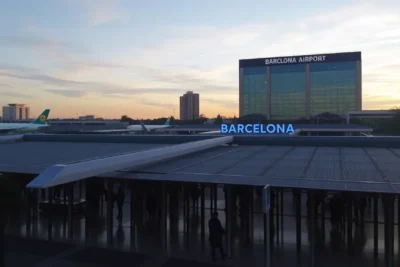
Barcelona Airport BCN Guide
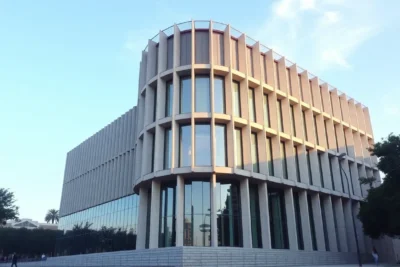
Contemporary Culture Center of Barcelona
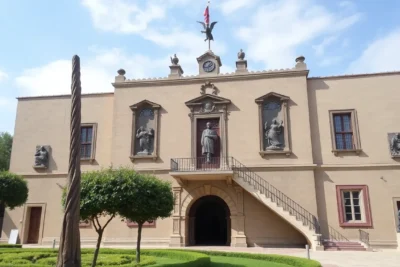
Frederic Marès Museum: Art and History in Barcelona
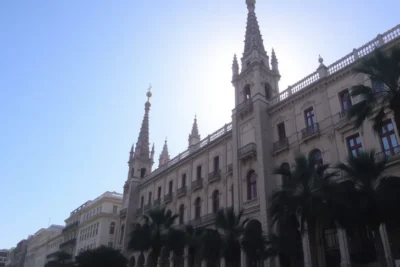
Exploring Barcelona: A Guide to the City's Highlights

Taxis in Barcelona: Your Guide to Convenient Transportation
Barcelona Cathedral: A Guide to Its History and Architecture
Collserola Tower: An Iconic Landmark in Barcelona
Leave a Reply
Read more!