
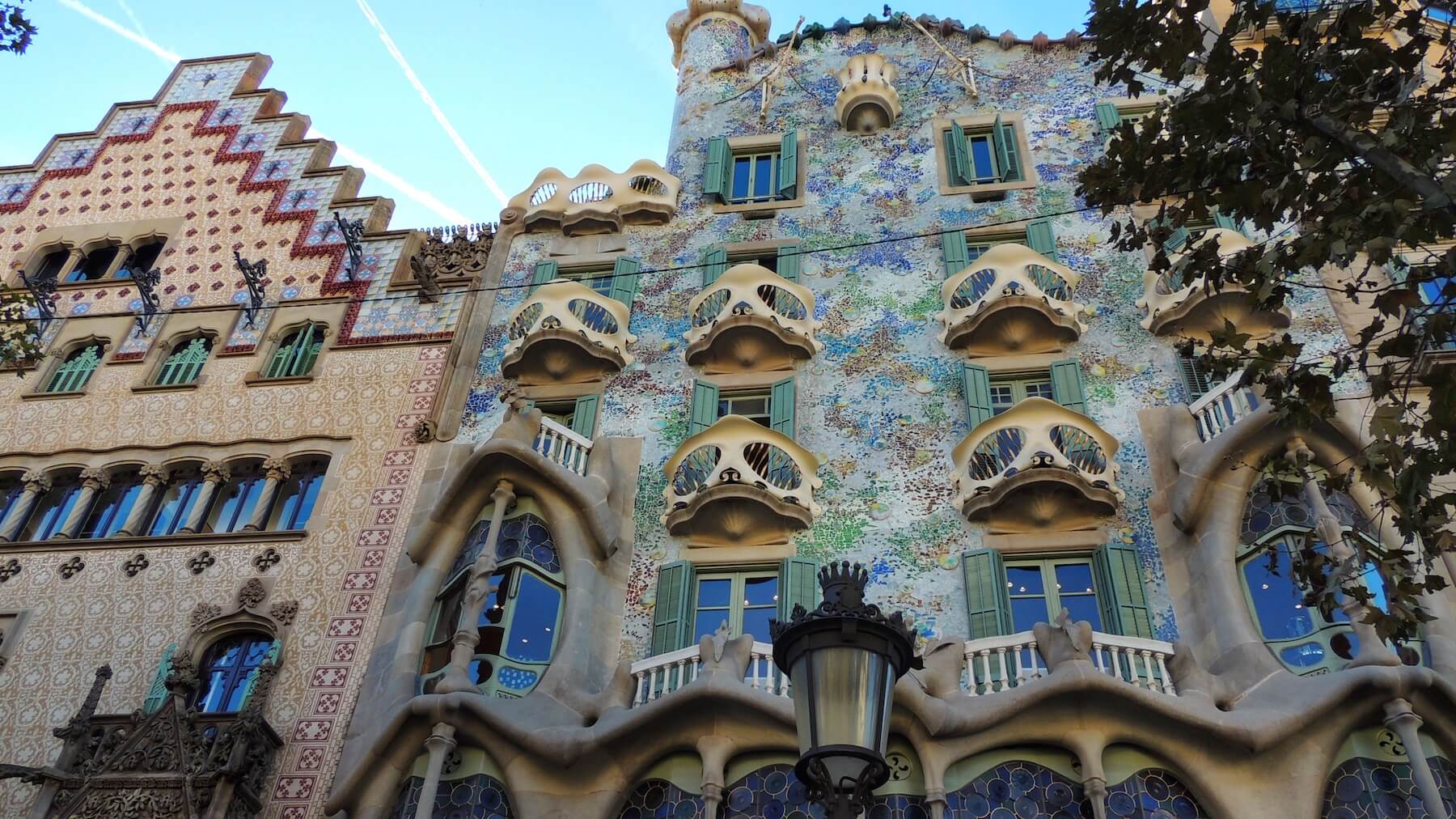

Casa Batlló stands as one of the most iconic examples of Antoni Gaudí's innovative architectural style, reflecting his deep connection to nature and organic forms. This remarkable building, located in the heart of Barcelona, captivates visitors with its whimsical design and vibrant colors, making it a must-see landmark for anyone exploring the city.
Often referred to as Gaudí's Masterpiece: Casa Batlló, this stunning structure showcases the artist's genius through its intricate details and imaginative elements. The façade, adorned with shimmering mosaic tiles and bone-like balconies, invites admiration and curiosity, ensuring its place in the pantheon of architectural wonders worldwide.
Gaudí's Architectural Innovations in Casa Batlló
Gaudí's architectural innovations in Casa Batlló are evident in the use of natural forms that mimic organic structures. The building's flowing lines and curves create a sense of movement, while the undulating façade resembles the waves of the sea. This design approach not only enhances the aesthetics but also reflects the artist's philosophy of harmony with nature.
One of Gaudí's most revolutionary techniques was his application of trencadís, a mosaic made from broken tile shards. This method was not only a cost-effective way to incorporate color and texture but also allowed for the creation of unique patterns that contribute to the building's enchanting visual identity. The vivid hues combined with the reflective quality of the tiles add to the overall dynamism of Casa Batlló.
Moreover, Gaudí's innovative use of light and space is exemplified through strategically placed windows and skylights. This design maximizes natural light throughout the interior, creating inviting and airy spaces. The interplay of light and shadow enhances the organic feel of the rooms, allowing visitors to experience the architecture in a more personal and immersive way.
In summary, the architectural advancements of Casa Batlló can be categorized as follows:
| Innovation | Description |
|---|---|
| Natural Forms | Design elements inspired by organic shapes and nature. |
| Trencadís Technique | Mosaic work using broken tiles to create vibrant surfaces. |
| Light Integration | Strategic window placements to enhance natural illumination. |
The Symbolism Behind Casa Batlló's Design Elements
The design elements of Casa Batlló are rich in symbolism, reflecting Gaudí's deep appreciation for nature and mythology. The building's façade, with its flowing forms and vibrant colors, evokes the sensation of being underwater, suggesting a connection to marine life. Each feature serves to remind visitors of the organic world, blurring the lines between architecture and nature.
One notable aspect is the use of organic shapes throughout the design, which mimic the curves found in living organisms. For example, the windows resemble the shapes of fish and shells, while the balconies are likened to the bones of animals. This not only creates a visual narrative but also emphasizes the idea that architecture should harmonize with the environment.
Additionally, the roof of Casa Batlló is often interpreted as a dragon's back, adorned with colorful tiles that resemble scales. This imagery aligns with the legend of Sant Jordi, the patron saint of Catalonia, who slayed a dragon. By incorporating such elements, Gaudí embeds cultural significance into his work, making Casa Batlló a narrative of both art and history.
In summary, the symbolism in Casa Batlló can be highlighted through the following key elements:
- Marine Inspiration: Design elements that evoke underwater landscapes.
- Organic Shapes: Features resembling natural life forms, enhancing the connection with nature.
- Cultural References: Elements that integrate local myths, enriching the storytelling aspect of the architecture.
Exploring the Use of Color in Casa Batlló
The use of color in Casa Batlló is a striking aspect of Gaudí's design, enhancing its visual appeal and emotional resonance. The vibrant hues found throughout the building create a dynamic atmosphere, inviting visitors to explore and experience its unique character. Colors are carefully selected to evoke feelings of tranquility, joy, and wonder, thereby enriching the overall architectural experience.
One of the most notable techniques employed by Gaudí is the integration of trencadís, which allows for the creation of colorful mosaics that shimmer and change with the light. This method not only adds depth to the façade but also reflects the surrounding environment. The colors used in these mosaics include:
- Blues: Representing the sea and sky, invoking serenity.
- Greens: Symbolizing nature and growth, creating a sense of harmony.
- Reds and Oranges: Infusing energy and warmth, enhancing the lively atmosphere.
Additionally, the interplay of color and light is a fundamental aspect of Casa Batlló's design. Gaudí strategically positioned windows and light wells to maximize natural illumination, allowing colors to evolve throughout the day. This dynamic quality not only transforms the experience of the interior spaces but also encourages visitors to perceive the architecture in an ever-changing light.
In summary, the color palette of Casa Batlló can be categorized into a few key themes:
| Theme | Description |
|---|---|
| Natural Elements | Colors inspired by the sea, sky, and flora, enhancing the organic feel. |
| Emotional Resonance | Colors chosen to evoke specific feelings, enriching visitor experience. |
| Dynamic Interaction | The changing colors throughout the day create a lively atmosphere. |
A Guide to Casa Batlló: Visiting Tips and Highlights
When planning your visit to Casa Batlló, consider booking your tickets online in advance to avoid long queues. This iconic masterpiece attracts a large number of tourists daily, and having a timed entry can enhance your experience. Aim to visit early in the morning or later in the evening when the crowds are thinner, allowing you to fully appreciate Gaudí's intricate designs without distraction.
During your visit, don’t miss the incredible roof terrace, which provides stunning views of the city and showcases the dragon-like spine that defines the building's silhouette. Additionally, take your time exploring the noble floor, where you can immerse yourself in the fascinating details and craftsmanship that exemplify Gaudí's visionary approach. Be sure to use the audio guide, as it offers valuable insights into the history and symbolism behind each unique feature.
For a truly memorable experience, consider visiting at night when Casa Batlló is beautifully illuminated. The vibrant colors of the mosaics come to life in a different way, making it a magical sight. If possible, check for any special events or exhibitions that may be taking place during your visit, as these can provide deeper insights into Gaudí's work and the cultural context of the building.
Finally, don't forget to explore the surrounding area, which is full of other architectural gems and charming streets. Here are some tips for your visit:
- Plan Your Timing: Go early or late to avoid crowds.
- Use an Audio Guide: Gain deeper insights into the architecture.
- Check for Events: Look for exhibitions or special tours.
- Explore Nearby Attractions: Discover more of Barcelona's architectural wonders.
The Historical Significance of Casa Batlló in Barcelona
Casa Batlló holds a significant place in the history of Barcelona, not only as a prime example of Modernisme but also as a testament to the city's architectural evolution. Completed in 1906, this building represents a paradigm shift in architectural design, moving away from rigid forms to embrace more fluid and organic shapes. Gaudí's innovative approach has made Casa Batlló a symbol of cultural identity, encapsulating the spirit of early 20th-century Catalonia.
Moreover, Casa Batlló is often regarded as a vital piece in the puzzle of Gaudí's career, reflecting his mastery of light and color. The building's design integrates elements of nature, such as the use of natural light and organic shapes, which challenge conventional architectural norms. This integration not only enhances the building's aesthetic appeal but also contributes to a deeper understanding of how architecture can harmonize with its environment.
In addition, Casa Batlló's distinctiveness has led to its designation as a UNESCO World Heritage Site, highlighting its universal value. The building showcases a unique fusion of art and architecture, where every detail serves a purpose while contributing to an overall narrative. This recognition underscores its importance in preserving cultural heritage, making it a crucial landmark for both locals and tourists alike.
Finally, the ongoing popularity of Casa Batlló illustrates its enduring legacy in contemporary architecture. It inspires modern architects and artists, encouraging them to explore innovative forms and sustainable designs. The building's significance transcends its original purpose, making it a dynamic space for cultural dialogue and artistic expression in the heart of Barcelona.
How Casa Batlló Reflects Gaudí's Artistic Vision
Casa Batlló is a vivid embodiment of Gaudí's artistic vision, characterized by a seamless integration of nature-inspired elements and imaginative designs. The building's organic forms and fluid lines not only challenge traditional architectural norms but also reflect Gaudí's belief in harmony with the natural world. This remarkable synergy allows visitors to experience architecture that feels alive, mirroring the dynamic aspects of the environment.
One of the most striking characteristics of Casa Batlló is its use of color and texture, which elicits a range of emotions. Gaudí skillfully employed techniques such as trencadís, transforming broken tiles into vibrant mosaics that shimmer in the light. The interplay between these colors and the building's unique shapes creates a captivating visual experience that engages visitors on multiple levels, encouraging them to connect emotionally with the space.
Furthermore, the strategic placement of windows and openings throughout Casa Batlló showcases Gaudí's innovative approach to light and space. This deliberate design maximizes natural illumination, creating an ever-changing atmosphere within the interior. The resultant interplay of light and shadow enhances the building's organic feel, inviting visitors to appreciate its intricate details and craftsmanship from various perspectives.
In essence, Casa Batlló serves as a profound statement of Gaudí's artistic philosophy, evidenced by its:
- Organic Design: Elements that mimic natural forms, illustrating a connection to the environment.
- Dynamic Color Use: The vibrant palette that evokes emotions and enriches the architectural experience.
- Innovative Light Integration: Maximizing natural light to create inviting and transformative spaces.
 Famous Modernist Buildings in Barcelona
 Top Hotels near Sagrada Familia: Discover Barcelona's Iconic Landmark
 Catalonia Sagrada Familia Hotel: An Unforgettable Stay in Barcelona, Spain
If you want to know other articles similar to Gaudí's Masterpiece: Casa Batlló you can visit the category WHERE YOU CAN GO.
Cruises departing from Barcelona
Barcelona Contemporary Art Museum
Barcelona Airport BCN Guide
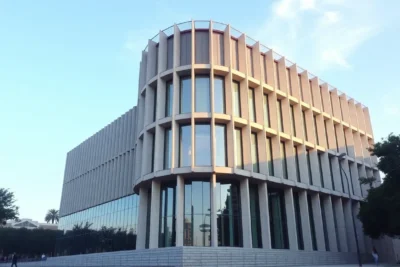
Contemporary Culture Center of Barcelona
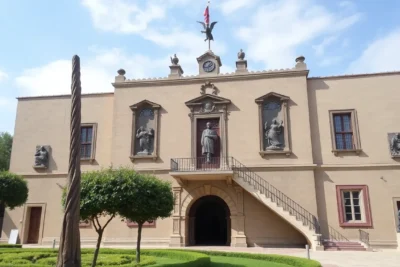
Frederic Marès Museum: Art and History in Barcelona
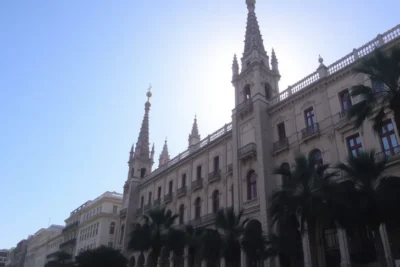
Exploring Barcelona: A Guide to the City's Highlights

Taxis in Barcelona: Your Guide to Convenient Transportation
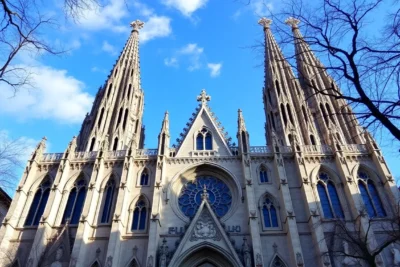
Barcelona Cathedral: A Guide to Its History and Architecture
Collserola Tower: An Iconic Landmark in Barcelona
Leave a Reply
Read more!