
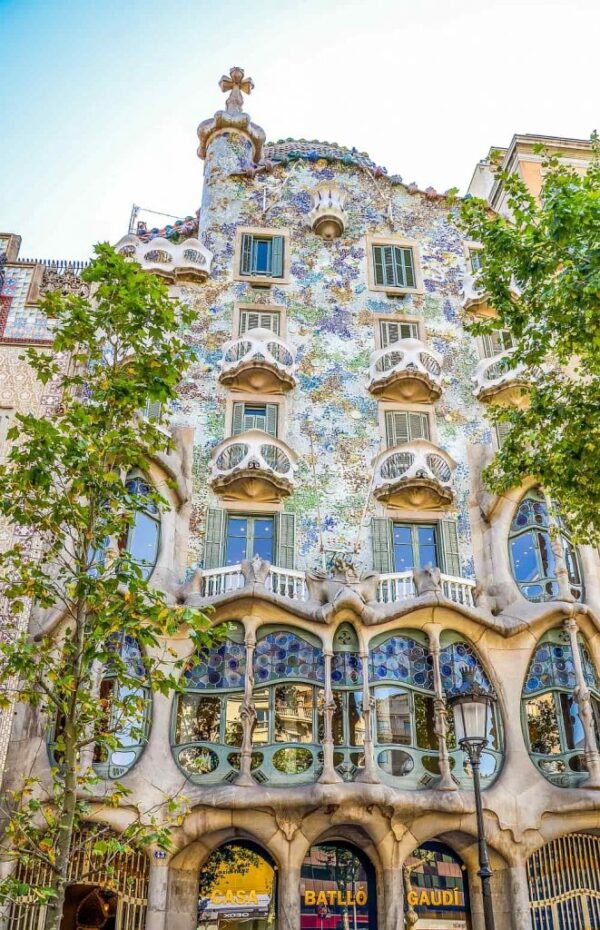

Casa Batlló, designed by the renowned architect Antoni Gaudí, is a stunning representation of the Art Nouveau movement in architecture. Its organic shapes, vibrant colors, and intricate details create a fantastical experience that captivates visitors from around the world.
Often referred to as a masterpiece of modernist design, Casa Batlló: Prime Art Nouveau Example showcases Gaudí's innovative approach to form and functionality. The building's unique façade and interior elements reflect a harmonious blend of artistry and craftsmanship, making it an essential highlight of Barcelona's architectural landscape.
The Architectural Marvel of Casa Batlló: A Prime Example of Art Nouveau
Casa Batlló stands as a quintessential example of Art Nouveau architecture, embodying the movement's ethos through its fluid forms and organic motifs. The building’s façade is adorned with colorful mosaics and sculpted elements that resemble natural shapes, evoking a sense of wonder and creativity. These features not only highlight Gaudí's artistic vision but also reflect the broader trends in Art Nouveau Barcelona architecture, where nature and art converge seamlessly.
The interior of Casa Batlló is equally mesmerizing, with its undulating walls and intricate woodwork that draw visitors into a dreamlike environment. Key elements include:
- Curvilinear Design: Soft lines and shapes dominate the space, mimicking the flow of natural forms.
- Stained Glass Windows: These elements filter light beautifully, creating an ethereal ambiance.
- Innovative Use of Materials: Gaudí cleverly combined ceramics, glass, and ironwork, demonstrating the versatility of Casa Batlló’s architectural style.
As a prime example of Art Nouveau, Casa Batlló’s influence extends beyond its local context into the global architectural dialogue. Its playful yet sophisticated approach to design has inspired architects and artists alike, serving as a benchmark for future Art Nouveau examples. The building not only showcases Gaudí's genius but also stands as a testament to the movement's enduring legacy in the world of architecture.
Visitors to Casa Batlló often find themselves captivated by its enchanting atmosphere, making it a must-see landmark in Barcelona. Its unique blend of artistic expression and structural innovation continues to resonate with audiences, solidifying its reputation as a pivotal piece in the art nouveau architecture examples worldwide. In this way, Casa Batlló not only serves as a home but as a vibrant canvas of cultural and architectural evolution.
Exploring the Unique Design Elements of Casa Batlló in Barcelona
Exploring the unique design elements of Casa Batlló reveals a truly innovative approach to architecture. The building's façade, with its irregular shapes and vibrant color palette, immediately captures attention. Gaudí’s use of natural motifs and organic forms exemplifies the essence of Art Nouveau architecture examples, making Casa Batlló a standout feature in the rich tapestry of Barcelona’s architectural heritage.
The roof of Casa Batlló is particularly striking, resembling the back of a dragon. This design choice is emblematic of Gaudí's ability to intertwine fantasy with architectural functionality. The scales, composed of colorful ceramic tiles, not only enhance the visual appeal but also serve as a brilliant example of how Casa Batlló's artistic style pushes the boundaries of traditional design.
Inside Casa Batlló, visitors are greeted by a world of imaginative spaces. Key design elements include:
- Fluid Spaces: The absence of straight lines creates a sense of movement and dynamism throughout the interiors.
- Natural Light: Skylights and expansive windows allow natural light to illuminate the spaces, enhancing the ethereal quality of the environment.
- Textured Surfaces: Gaudí’s use of various materials adds depth and character, showcasing the versatility inherent in Casa Batlló’s architectural style.
Ultimately, Casa Batlló stands not only as a monument to Gaudí’s genius but also as a vital example of Art Nouveau. The building’s enchanting design elements and innovative use of materials reflect the movement's core principles, inviting admiration and study from both enthusiasts and casual visitors alike. As part of the rich legacy of Art Nouveau Barcelona architecture, Casa Batlló continues to inspire and delight, solidifying its place in the annals of architectural history.
The Historical Significance of Casa Batlló: A Landmark of Modernism
Casa Batlló is not merely an architectural marvel but a significant cultural symbol of the Modernism movement in Barcelona. Constructed between 1904 and 1906, this iconic structure showcases Gaudí's distinctive approach to Art Nouveau architecture examples. It reflects the period's innovative spirit and artistic freedom, making it a pivotal landmark in the evolution of urban architecture.
The building's historical importance is underscored by its unique design elements, which challenge conventional architectural norms. Casa Batlló's organic shapes and flowing lines not only redefine aesthetic boundaries but also serve as a manifestation of Gaudí’s dedication to integrating art with nature. Key historical aspects include:
- Architectural Innovation: Casa Batlló represents a radical departure from traditional design, embodying the principles of the Casa Batlló architectural style.
- Cultural Reflection: The building mirrors the socio-political changes in early 20th century Barcelona, highlighting the city's transition into modernity.
- Influence on Future Generations: As a cornerstone of Art Nouveau Barcelona architecture, it has influenced countless architects and designers worldwide.
Recognized as a UNESCO World Heritage Site, Casa Batlló serves as an enduring legacy of Gaudí's artistry and the broader Art Nouveau example. Its imaginative façade and vibrant interiors have captivated audiences, reinforcing its status as a key figure in the architectural landscape of the early 20th century. This landmark continues to be a focal point for both local and international visitors, emphasizing its historical significance.
Ultimately, Casa Batlló stands as a testament to the creativity and vision of its architect, merging form with function in a way that is quintessential to the casa batlló art nouveau movement. Its enduring appeal and innovative design elements ensure its place as a cherished landmark, celebrating the harmony between architecture and nature within the urban fabric of Barcelona.
Understanding the Artistic Influence of Antoni Gaudí on Casa Batlló
Antoni Gaudí's artistic influence on Casa Batlló is profound and multifaceted, distinguishing it as a premier example of Art Nouveau architecture. His unique approach to design integrated organic shapes and vibrant colors, transforming the building into a living entity that embodies the essence of nature. The naturalistic motifs, which include flowing lines and intricate details, are a hallmark of Gaudí's work, making Casa Batlló a key illustration of casa batlló art nouveau.
Gaudí's visionary style is characterized by a departure from conventional architecture. He employed innovative techniques and materials, such as the use of broken ceramic tiles in the façade, which enhance the building’s visual dynamism. This technique is not just aesthetically pleasing but also reflects the broader principles of Art Nouveau, where the integration of structure and ornamentation is paramount. As a result, Casa Batlló stands out as an exceptional example of the casa batlló architectural style.
The interiors of Casa Batlló further showcase Gaudí's genius, with spaces designed to flow seamlessly from one to the next. Each room features distinctive elements, such as curved windows and organic furnishings, which evoke a sense of unity with the surrounding environment. This intentional design promotes a harmonious experience, aligning with the ideals prevalent in art nouveau examples. The building's atmosphere invites visitors to appreciate the delicate balance between art and architecture.
In essence, Casa Batlló serves as not only a prime example of Art Nouveau but also an enduring legacy of Gaudí's artistic vision. Its influence can be seen in various architectural movements that followed, showcasing how one building can redefine aesthetic boundaries and inspire future generations. As a vital part of art nouveau Barcelona architecture, Casa Batlló continues to captivate audiences, leaving an indelible mark on the landscape of modernist architecture.
Color Symbolism in Casa Batlló: The Meaning Behind Gaudí's Palette
The vibrant color palette of Casa Batlló plays a crucial role in expressing the artistic vision of Antoni Gaudí. Each hue serves not merely as decoration but as a symbol of nature and life, aligning with the principles of Art Nouveau. The blues and greens evoke the serenity of the ocean, while the warm reds and yellows reflect the vibrant energy of life. This intentional use of color transforms the building into a living organism, embodying the essence of its surroundings and creating a harmonious atmosphere.
Gaudí's choice of color is particularly evident in the mosaics that adorn the façade of Casa Batlló. These colorful tiles are arranged in a way that mimics the gradient of colors found in nature, transitioning from deep blues at the base to lighter hues at the top. This gradient not only enhances the visual appeal but also symbolizes the concept of organic growth, a key tenet of art nouveau architecture examples. Each element works in unison, reflecting Gaudí's belief in the interconnectedness of all things.
The interior of Casa Batlló similarly showcases the significance of color symbolism. Natural light filtered through stained glass windows creates a play of colors that dances across the walls, filling the space with a dynamic energy. The interior’s gentle pastels and earth tones evoke comfort and tranquility, inviting visitors to experience a sense of peace within its artistic confines. These choices reflect Gaudí's understanding of how color affects mood and perception, further emphasizing the building's role as an example of Art Nouveau.
In summary, the color symbolism in Casa Batlló is a testament to Gaudí's genius, intertwining aesthetics with meaning. The vibrant colors not only celebrate nature but also reflect the emotional and psychological impacts they can have on viewers. As a vital part of Casa Batlló's architectural style, this deliberate use of color enhances its status as a prominent example of Art Nouveau in Barcelona, inviting admiration from those who encounter its enchanting beauty.
A Visitor's Guide to Casa Batlló: Tips for Exploring This Art Nouveau Gem
When planning a visit to Casa Batlló, it's essential to maximize your experience at this iconic Art Nouveau gem. Start by booking your tickets online to avoid long queues, especially during peak tourist seasons. This will allow you to spend more time soaking in the intricate details of Gaudí's design, rather than waiting in line. Additionally, consider visiting early in the morning or later in the evening for a more serene experience.
While exploring Casa Batlló, take note of the architectural style that sets it apart from other Art Nouveau examples. Here are some tips to enhance your visit:
- Guided Tours: Opt for an audio guide or a guided tour to gain deeper insights into Gaudí's creative process and the building's history.
- Photography: Don’t forget your camera! The façade and interiors offer stunning visuals that capture the essence of Casa Batlló’s Art Nouveau architecture.
- Visit the Rooftop: The rooftop terrace provides a unique perspective of the city and showcases Gaudí's organic design philosophy.
Another tip is to explore the surrounding area after your visit. The Eixample district is home to several other significant works of Art Nouveau architecture, providing an opportunity to appreciate more of Barcelona's modernist heritage. Make sure to check out nearby landmarks, such as Casa Milà and the colorful Passeig de Gràcia, which further exemplify the city's rich architectural narrative.
Lastly, allow yourself plenty of time to absorb the magical atmosphere. Casa Batlló is not just a building; it's an example of art nouveau that invites contemplation and admiration. The intricate details and harmonious designs reflect Gaudí's deep connection to nature, making every corner a discovery worth savoring. Enjoy your journey through this architectural masterpiece!
 Banys Orientals Hotel: A Luxurious Stay
 Iconic Barcelona Building: Casa Batlló
 Can Culleretes: The Oldest Restaurant in Barcelona
If you want to know other articles similar to Casa Batlló: Prime Art Nouveau Example you can visit the category WHERE YOU CAN GO.
Cruises departing from Barcelona
Barcelona Contemporary Art Museum
Barcelona Airport BCN Guide
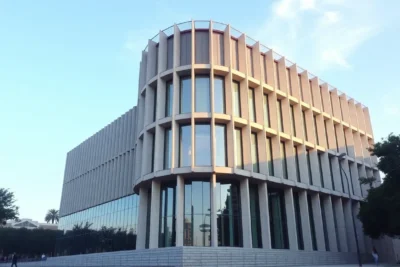
Contemporary Culture Center of Barcelona
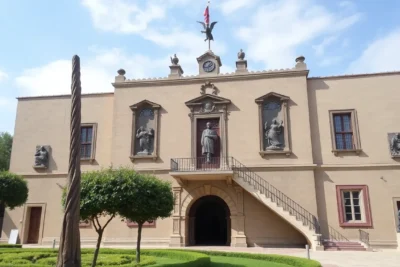
Frederic Marès Museum: Art and History in Barcelona
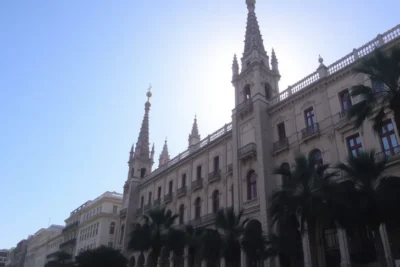
Exploring Barcelona: A Guide to the City's Highlights

Taxis in Barcelona: Your Guide to Convenient Transportation
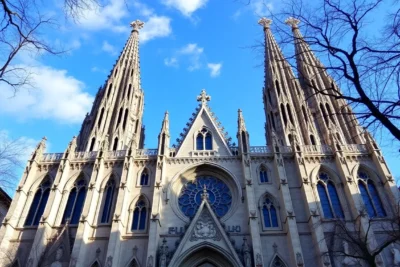
Barcelona Cathedral: A Guide to Its History and Architecture
Collserola Tower: An Iconic Landmark in Barcelona
Leave a Reply
Read more!