
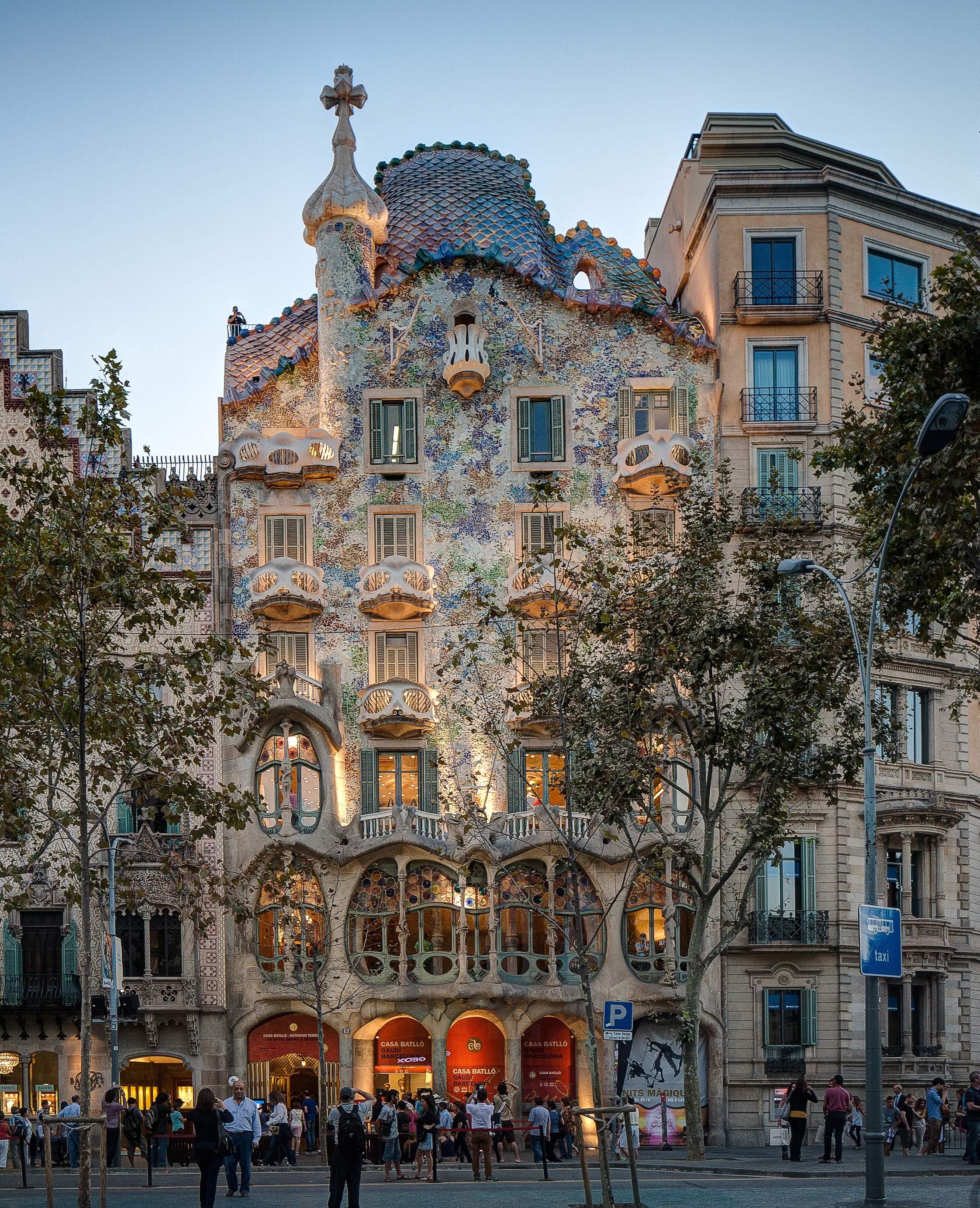

Casa Batlló, an architectural masterpiece designed by Antoni Gaudí, is one of the most iconic landmarks in Barcelona. Its unique design and vibrant colors attract millions of visitors each year, making it a significant cultural and historical site.
Understanding the **Ownership of Casa Batlló** is essential for appreciating its history and preservation. Over the years, the building has changed hands multiple times, reflecting the evolving values and interests surrounding this renowned work of art.
Ownership History of Casa Batlló: From Gaudí to Present Day
The ownership history of Casa Batlló reflects the changing tides of architecture and culture in Barcelona. Originally completed in 1906 for the Batlló family, the property represented a shift towards modernism, showcasing Gaudí's innovative designs. Following its construction, the building remained privately owned by the Batlló family until the mid-20th century, when it began to be recognized as a significant cultural landmark.
In 1993, Casa Batlló was entrusted to the Fundació Casa Batlló, which aimed to promote and preserve Gaudí's work. This transition marked a new chapter in its history, emphasizing conservation and educational initiatives. Under this foundation, the building underwent extensive restoration to maintain its architectural integrity while also adapting it for modern tourism.
Today, Casa Batlló is part of a larger group of cultural assets owned by the Grupo Casa Batlló, which continues to manage its operations. This organization focuses on enhancing visitor experiences while ensuring the site's historical significance is upheld. The ownership has shifted towards a model that prioritizes sustainability and cultural heritage.
- 1906: Completed for the Batlló family
- Mid-20th Century: Gained recognition as a cultural landmark
- 1993: Transferred to Fundació Casa Batlló for preservation
- Present Day: Managed by Grupo Casa Batlló, focusing on sustainability
The Current Owners of Casa Batlló: Who Holds the Title?
The current ownership of Casa Batlló is held by the Grupo Casa Batlló, a collective entity focused on managing the landmark's operations and visitor experiences. This group ensures that the building remains accessible to the public while upholding its historical and architectural significance. Their mission emphasizes both conservation and education, fostering a deeper appreciation of Gaudí's work.
Within the management structure, the Fundació Casa Batlló plays a crucial role in promoting cultural heritage and sustainability. This foundation is responsible for various initiatives aimed at preserving the structure and educating visitors about its historical context. Their efforts are essential in maintaining the integrity of this iconic site.
To understand the current ownership structure better, here is a brief overview:
- Current Owner: Grupo Casa Batlló
- Key Role: Fundació Casa Batlló for preservation and educational initiatives
- Focus: Visitor experience, sustainability, and cultural heritage
As Casa Batlló continues to evolve, the ownership remains committed to adapting its operations to meet modern needs while preserving the essence of this architectural marvel. The collaboration between the Grupo Casa Batlló and the Fundació Casa Batlló exemplifies a model of stewardship that respects both the past and the future.
Exploring the Legal Aspects of Casa Batlló Ownership
Exploring the legal aspects of Casa Batlló ownership involves understanding both the historical context and the current governance of this iconic site. Legal frameworks regarding heritage protection play a crucial role in maintaining the building's integrity. The ownership structure is further complicated by the various entities involved in its management, ensuring compliance with preservation laws.
One significant aspect of Casa Batlló's ownership is the adherence to Spanish cultural heritage laws. These laws dictate the responsibilities of the owners and the preservation foundation to maintain the building's unique architectural features. Key legal considerations include:
- Heritage Protection: Compliance with local and national regulations.
- Restoration Standards: Adhering to guidelines set by cultural authorities.
- Public Access: Ensuring the site is open for visitors while respecting its historical value.
The relationship between the Grupo Casa Batlló and Fundació Casa Batlló highlights the importance of collaboration in legal stewardship. This partnership is essential for fostering clear communication regarding restoration projects and public engagement initiatives. Their joint efforts ensure that legal obligations are met while promoting awareness of Gaudí's work.
To summarize the legal aspects of ownership, the following table outlines the responsibilities of the current owners:
| Entity | Responsibilities |
|---|---|
| Grupo Casa Batlló | Management of visitor experiences and operational sustainability |
| Fundació Casa Batlló | Heritage preservation, educational initiatives, and compliance with legal standards |
Impact of Ownership on Casa Batlló's Preservation and Restoration
The impact of ownership on the preservation and restoration of Casa Batlló is profound, as it shapes the approach taken towards maintenance and visitor engagement. Since the transition to the Fundació Casa Batlló in 1993, a strong emphasis has been placed on conservation efforts that respect Gaudí's original vision. This transition has allowed for a structured framework that not only focuses on the aesthetic elements of the building but also on its educational potential.
Under the stewardship of the Grupo Casa Batlló, several key strategies have been implemented to ensure effective preservation:
- Regular Maintenance: Ongoing assessments and repairs to prevent deterioration.
- Restoration Projects: Initiatives that align with Gaudí's original designs while using modern techniques.
- Visitor Education: Programs aimed at informing the public about the building's historical significance.
The financial backing and management expertise provided by the current ownership play a crucial role in enabling comprehensive restoration efforts. This has resulted in a significant increase in accessibility for tourists, while also safeguarding the building's integrity. The integration of modern technology with traditional methods has allowed Casa Batlló to stand resilient against the challenges of time and tourism.
Ultimately, the collaboration between the Grupo Casa Batlló and the Fundació Casa Batlló represents a successful model for maintaining heritage sites. Their commitment to both sustainability and cultural appreciation ensures that Casa Batlló will continue to be a source of inspiration and education for future generations.
Financial Implications of Owning Casa Batlló: A Historical Perspective
The financial implications of owning Casa Batlló extend beyond simple property value, deeply intertwined with cultural significance and tourism. Initially constructed for the Batlló family in 1906, the property's worth was primarily residential. However, as its status as a cultural landmark grew, so too did its economic potential, leading to increased maintenance costs and the necessity for preservation funds. The transition to a publicly accessible site has transformed financial priorities, emphasizing sustainability alongside financial viability.
With the advent of the Fundació Casa Batlló in 1993, financial stewardship shifted towards more structured funding sources, including ticket sales, donations, and corporate partnerships. This model has provided a sustainable income stream, allowing for substantial restoration projects that respect Gaudí's design while modernizing visitor facilities. The financial strategy encompasses:
- Revenue Generation: Through entrance fees and guided tours.
- Funding for Restoration: Allocating resources for ongoing preservation efforts.
- Community Engagement: Initiatives aimed at attracting local and international visitors.
Historically, the costs associated with maintaining an architectural marvel like Casa Batlló can be substantial. Restoration efforts often require expert craftsmanship and high-quality materials, which add to financial outlays. However, the long-term benefits, such as increased foot traffic and tourism-related spending in the surrounding area, significantly outweigh these initial costs. In this way, ownership has shifted from merely maintaining the building to actively leveraging its stature to support broader economic goals within the community.
Ultimately, the financial implications of owning Casa Batlló illustrate a complex balance between heritage preservation and economic sustainability. The ongoing management strategies employed by the Grupo Casa Batlló ensure that this iconic site not only survives but thrives, fostering a deeper appreciation for Gaudí's groundbreaking work while contributing positively to Barcelona's cultural landscape.
Cultural Significance of Casa Batlló Ownership in Barcelona
The cultural significance of Casa Batlló ownership in Barcelona extends beyond its architectural brilliance, embodying the city’s evolving identity. As custodians of this masterpiece, the current owners play a vital role in preserving its legacy. Their stewardship ensures that Casa Batlló remains not only a tourist attraction but also a symbol of Catalan culture, reflecting the artistic innovation of Antoni Gaudí in a contemporary context.
The ongoing commitment to cultural preservation by the Grupo Casa Batlló and the Fundació Casa Batlló highlights the intersection of heritage and modernity. By integrating educational programs and cultural events, they foster community engagement and promote a deeper understanding of Gaudí's work. This holistic approach not only enriches the visitor experience but also strengthens the site's place within the broader narrative of Barcelona's cultural landscape.
- Visitor Education: Programs designed to deepen understanding of Gaudí's architecture.
- Cultural Events: Initiatives that celebrate local traditions and art.
- Community Involvement: Encouraging local participation in preservation efforts.
Furthermore, the financial implications of ownership contribute significantly to the site's cultural impact. The revenues generated are reinvested into preservation and outreach programs, ensuring that Casa Batlló remains accessible while maintaining its historical integrity. This approach not only enhances the site's sustainability but also solidifies its role as a cornerstone of Barcelona’s artistic heritage.
 Exploring the Sagrada Familia: Is it Free to Visit?
 Pizza Sagrada Família en Barcelona
 Is Sagrada Familia Free?
If you want to know other articles similar to Ownership of Casa Batlló you can visit the category WHERE YOU CAN GO.
Cruises departing from Barcelona
Barcelona Contemporary Art Museum
Barcelona Airport BCN Guide
Contemporary Culture Center of Barcelona
Frederic Marès Museum: Art and History in Barcelona
Exploring Barcelona: A Guide to the City's Highlights

Taxis in Barcelona: Your Guide to Convenient Transportation
Barcelona Cathedral: A Guide to Its History and Architecture
Collserola Tower: An Iconic Landmark in Barcelona
Leave a Reply
Read more!